
Question
What do I need to see before changing jobs?
This tarot guide covers the essentials: how the deck is organized, how to choose a spread and how to read cards through position and context.
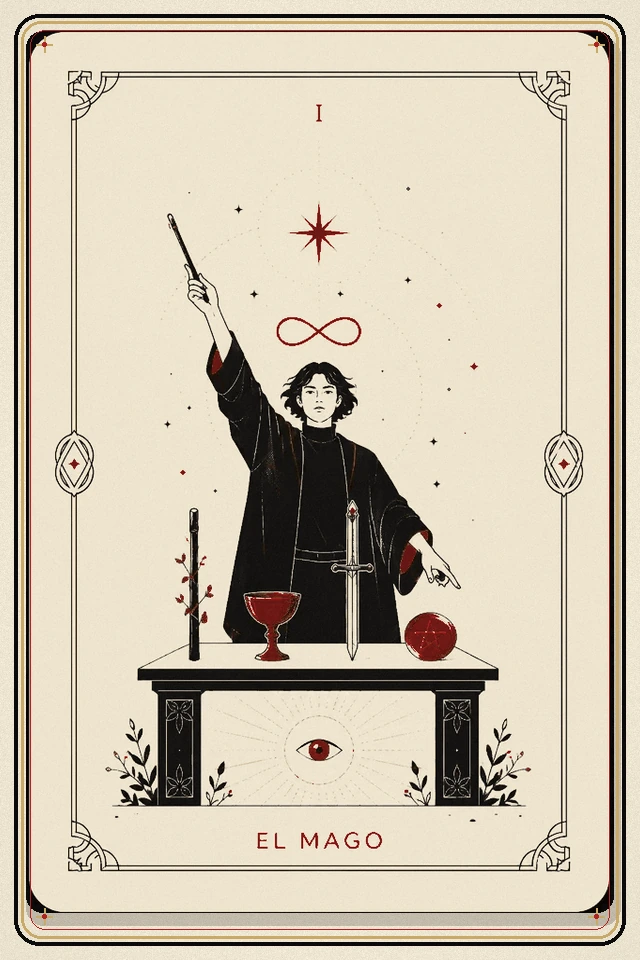
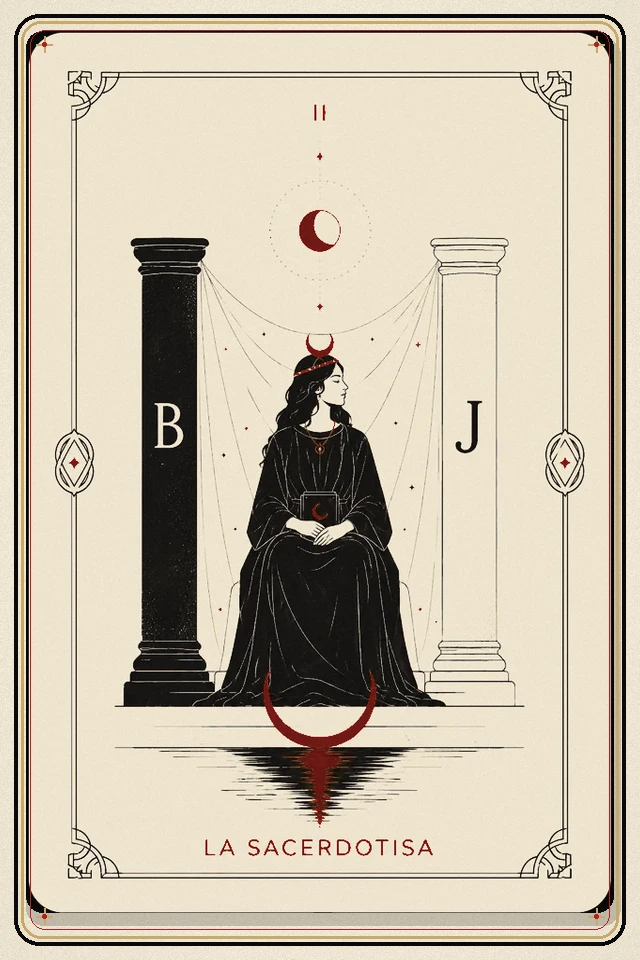
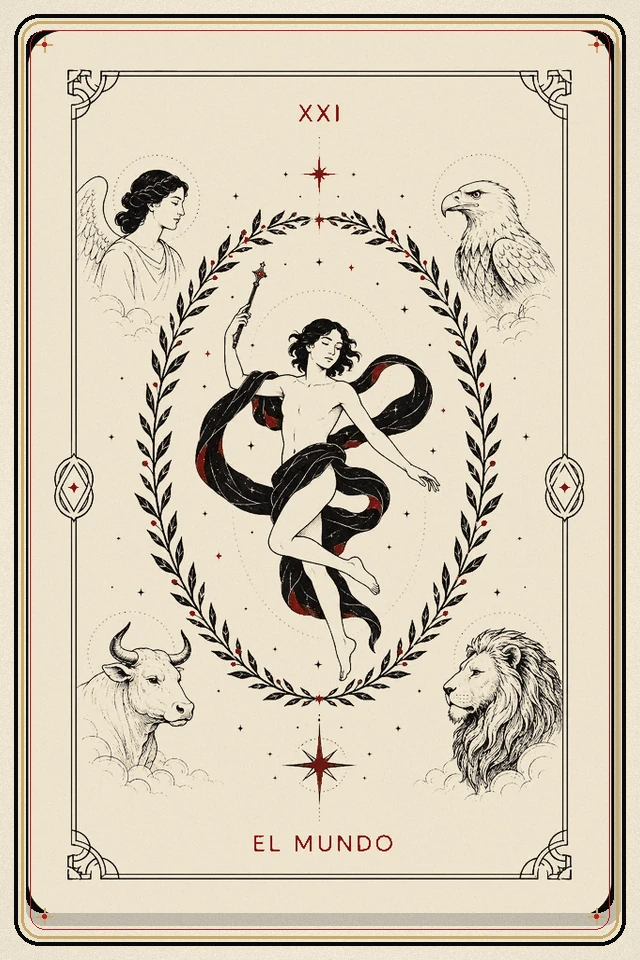
This guide uses the Rider-Waite-Smith deck and reads cards through context rather than fixed one-line definitions.
The Rider-Waite-Smith deck used here contains 78 cards: 22 Major Arcana and 56 Minor Arcana. Majors often point to broader themes or turning points; Minors help describe everyday situations, emotions, choices, resources, and conflicts.
A reading is not built from isolated definitions. The question, card position, orientation, and surrounding cards all shape interpretation.
This split helps you understand the scale a card may be working on.
| Group | Cards | What it often adds |
|---|---|---|
| Major Arcana | 22 | Underlying themes, transitions, and structural lessons. |
| Minor Arcana | 56 | Everyday situations, emotions, actions, resources, and conflicts. |
Start with the card’s core idea, then ask what changes because of the position it occupies. The same card may describe initiative in a work reading and freedom in a relationship reading.
Then look at neighboring cards. Tension between cards can be meaningful rather than something to “fix”.
Context and position are easier to understand through a worked example.
What do I need to see before changing jobs?
It can point to openness, experimentation, and willingness to start, without automatically meaning “quit tomorrow”.
A restrictive card nearby may turn that into a message about initiative with clearer boundaries.
Readings become generic and card position stops mattering.
An uncomfortable card may reveal a useful limit; a pleasant one may still warn about excess.
A reading should be justified by the question, positions, and card relationships.
Learn in layers instead of trying to memorize 78 cards at once.
Suit gives you a useful category before you interpret the card in detail.
| Suit | Common terrain | Useful question |
|---|---|---|
| Wands | Action, desire, initiative, creativity | What wants movement or direction? |
| Cups | Emotion, relationship, sensitivity | What is emotionally available? |
| Swords | Thought, communication, tension | Which idea, decision or conflict dominates? |
| Pentacles | Resources, work, body, security | What is sustainable or needs a practical base? |
Pages, Knights, Queens and Kings can represent people, but they can also describe ways of handling a suit: learning, moving, integrating, and directing.
Avoid assigning gender, age, or identity by default. Let the position and surrounding cards tell you whether a person, role, or attitude makes more sense.
Repetition is structural information. Several Swords may concentrate the reading on thought or conflict; many Majors can suggest that the question touches a broader transition rather than a small detail.
Treat repetition as a clue, not a formula. It still has to make sense with the actual cards and the question.
Use a consistent sequence rather than memorizing more phrases.
Name the card’s central movement.
Define its job in the spread.
Check availability, blockage, excess or internalization.
Compare it with neighboring cards.
Return to what was actually asked.
Use these pages as connected chapters.
A complete deck has 78 cards: 22 Major Arcana and 56 Minor Arcana.
No. Understanding structures, symbols and card relationships is more useful than memorizing fixed phrases.
One or three cards make it easier to practice position and context without adding too much information.
A reversal can point to blockage, excess, delay or a more inward expression of the same energy.
No. Repeating the same question without new context usually adds noise and confirmation bias. Draw again when new information appears or the question genuinely changes.
No. It can indicate blockage, excess, delay, or a more internal expression. Position and surrounding cards determine the nuance.