
Decision
What should I prioritize before replying?
This free one card tarot is built for one focused question and a short reading. It highlights the central theme rather than trying to explain everything.
There is no perfect question. Start with what you want to understand today.
Not sure what to ask? Try one:
Typing a question is optional. On the next screen, you will shuffle and choose your cards.
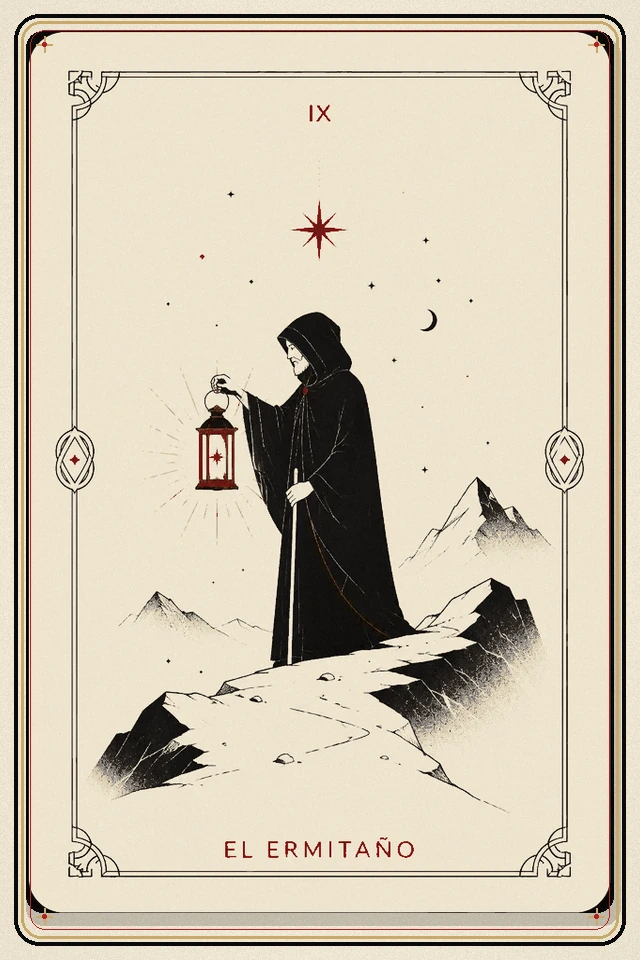
The reading is not built from one generic sentence. It combines your question, the cards you choose, each card position, orientation, and how the cards interact with one another.
This is a symbolic reading for personal reflection. It does not claim certainty about the future or another person’s private thoughts.
One card is strongest when the question has one clear focus.
One card narrows attention to one theme in your question. It does not try to tell the whole story, which makes it useful for focus, advice, or an attitude to examine.
The limit of the spread is part of its value.
| Use it for | Choose another spread if… |
|---|---|
| A daily focus | You need to understand several causes. |
| An attitude to notice | You are comparing complex options. |
| A symbolic piece of advice | You need obstacles, resources, and direction. |
The question determines the kind of focus the card can provide.
What should I prioritize before replying?
What dynamic should I notice today?
What attitude should I review this week?
One card cannot replace a spread designed for context.
A general one-card reading does not have to become binary.
That turns reflection into confirmation seeking.
Connect the symbol to something concrete.
A one-card reading needs one clear job. “What should I pay attention to before this conversation?” is stronger than asking one position to explain an entire relationship.
Decide the function before you draw: focus, advice, caution, or a factor you may be missing.
The same card changes function when the prompt changes.
| Job | Example question |
|---|---|
| Focus | What deserves my attention today? |
| Advice | What stance would help? |
| Caution | What pattern should I avoid repeating? |
| Decision | What factor am I overlooking? |
A short reading can still lead to a concrete check.
“What should I protect before accepting this offer?”
Instead of becoming an automatic “yes”, it may highlight rules, limits, authority and stability.
Check the contract, responsibilities, decision power and long-term fit.
Repeat when the context changes, not because you disliked the first card. If the question has grown into several variables, move to three cards rather than asking one position to carry everything.
Add context without abandoning the original question.
Yes, but very broad questions may need more context.
It can, but the dedicated yes or no reading is clearer.
It is usually better not to repeat the same question right away.
No. Repeating the same question without new context usually adds noise and confirmation bias. Draw again when new information appears or the question genuinely changes.
No. It can indicate blockage, excess, delay, or a more internal expression. Position and surrounding cards determine the nuance.