
The Fool in love
Freedom, a new beginning, or lack of definition depending on the surrounding cards.
This library organizes all 78 tarot card meanings. Browse the Major and Minor Arcana and open each card to explore upright, reversed and contextual interpretations.
Explore all 78 tarot cards with English meanings, upright and reversed interpretations, and related cards.
No cards match your search
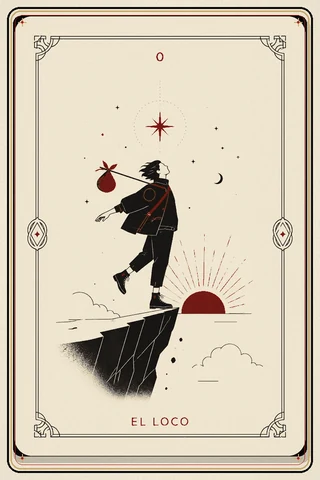 The Fool
 The Magician
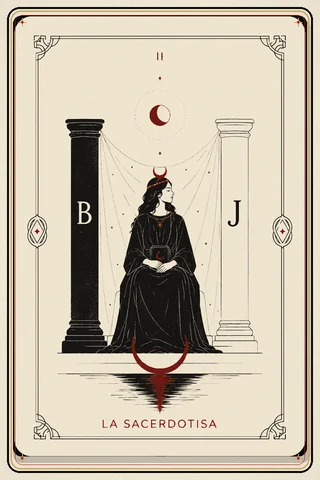 The High Priestess
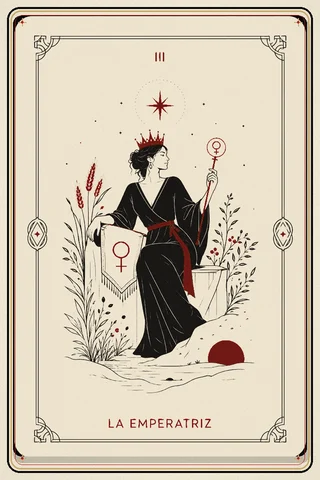 The Empress
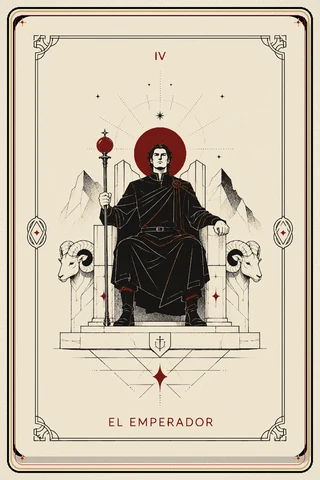 The Emperor
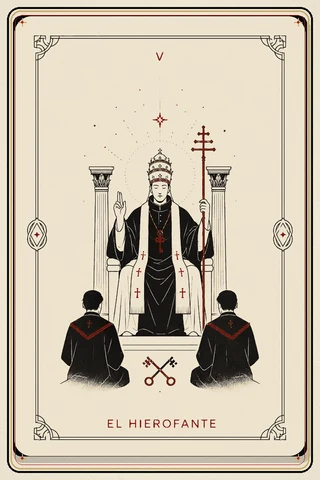 The Hierophant
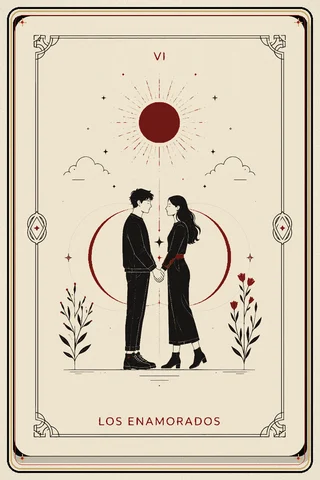 The Lovers
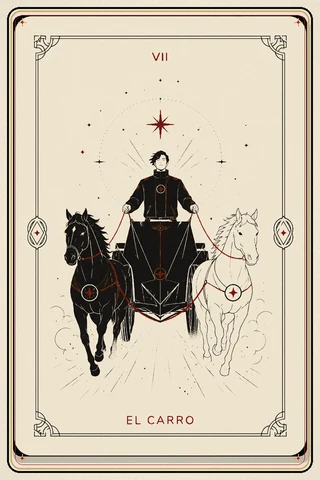 The Chariot
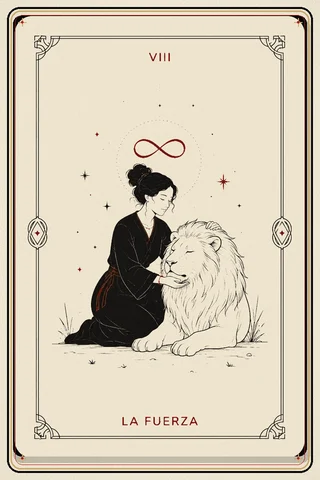 Strength
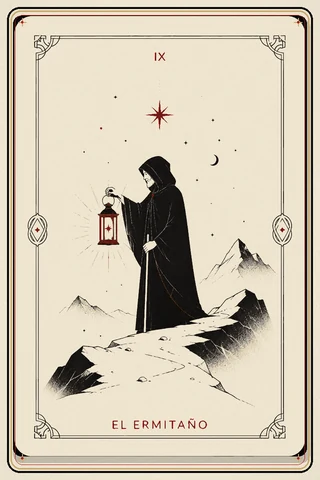 The Hermit
 Wheel of Fortune
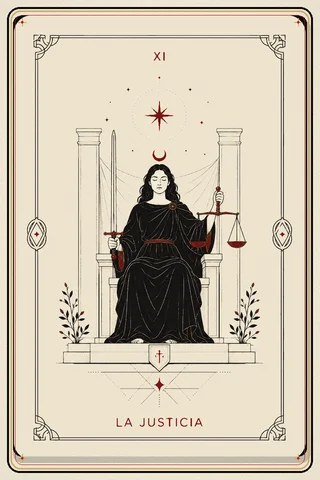 Justice
 The Hanged Man
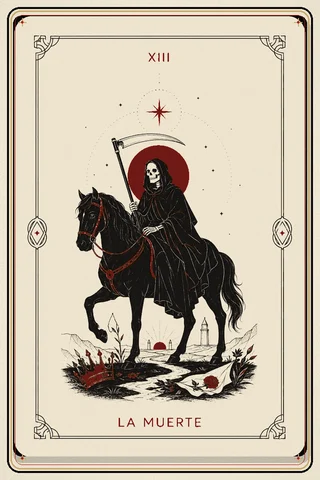 Death
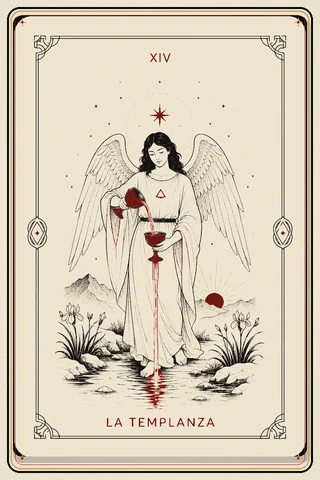 Temperance
 The Devil
 The Tower
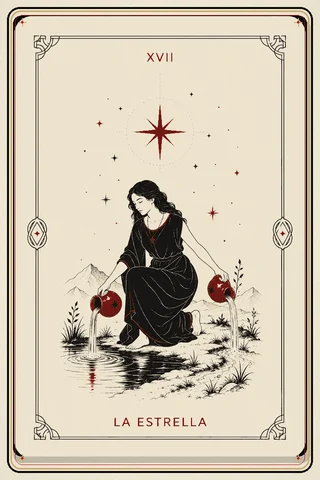 The Star
 The Moon
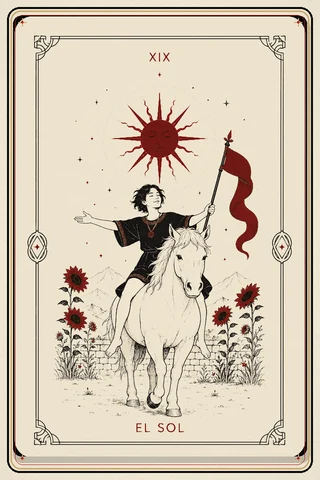 The Sun
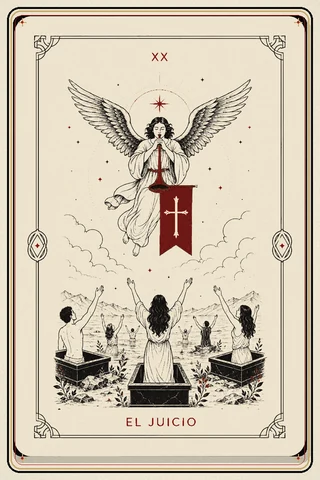 Judgement
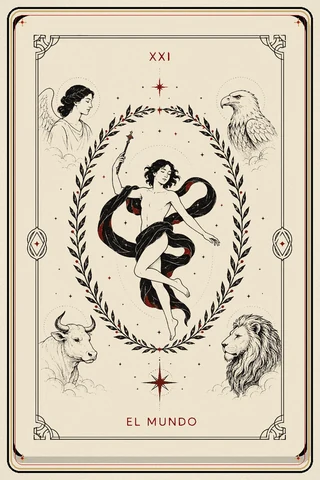 The World
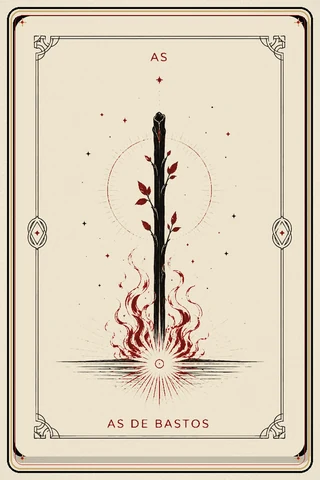 Ace of Wands
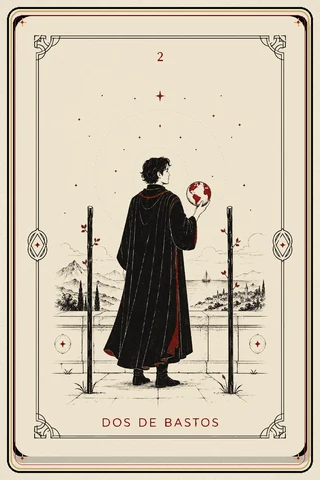 Two of Wands
 Three of Wands
 Four of Wands
 Five of Wands
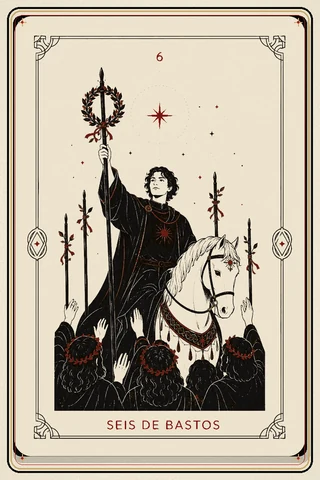 Six of Wands
 Seven of Wands
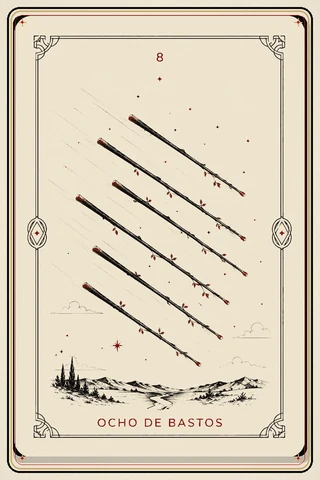 Eight of Wands
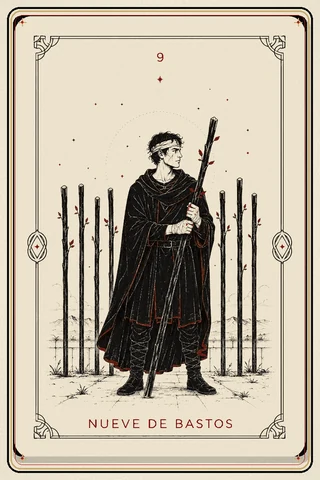 Nine of Wands
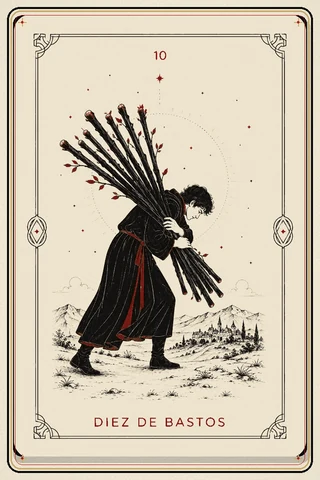 Ten of Wands
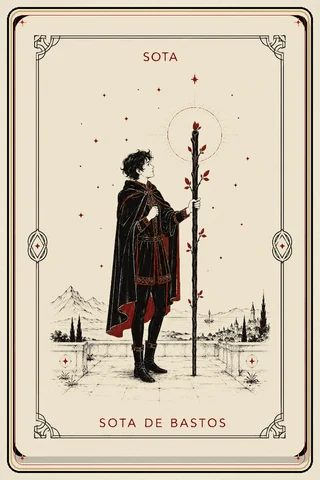 Page of Wands
 Knight of Wands
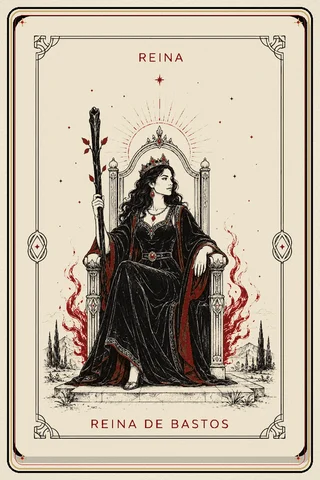 Queen of Wands
 King of Wands
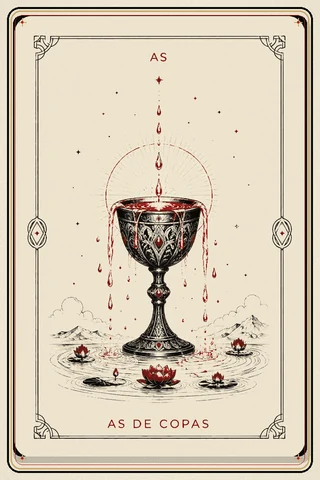 Ace of Cups
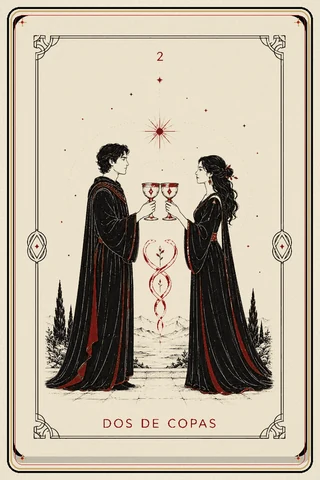 Two of Cups
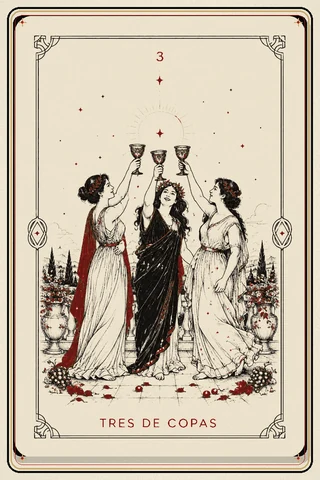 Three of Cups
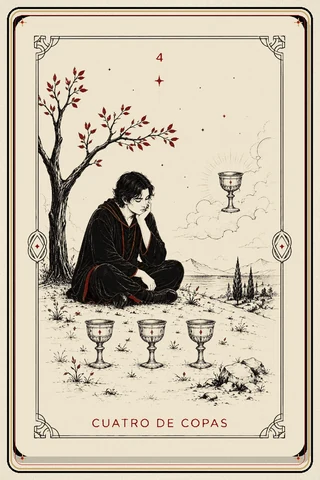 Four of Cups
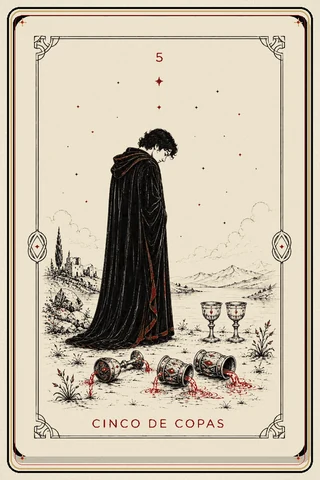 Five of Cups
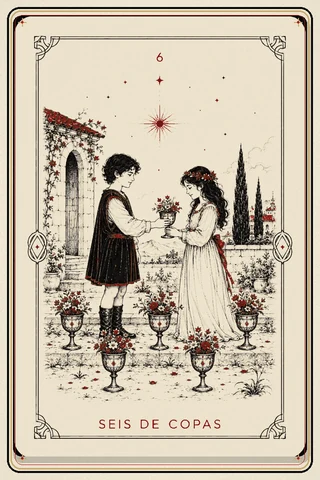 Six of Cups
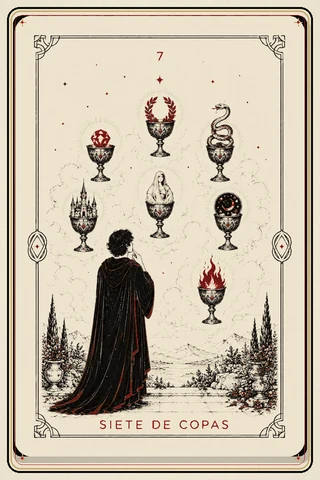 Seven of Cups
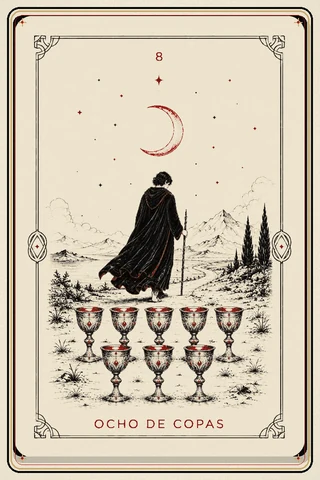 Eight of Cups
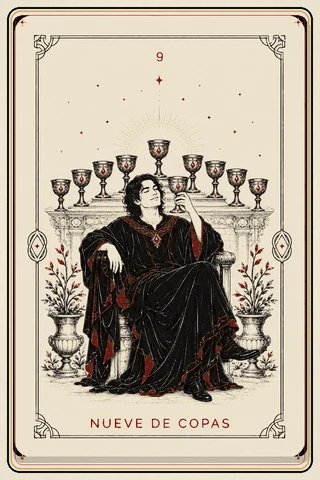 Nine of Cups
 Ten of Cups
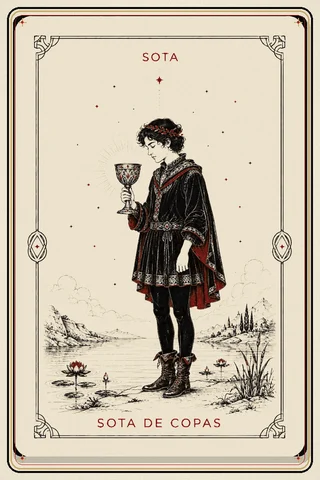 Page of Cups
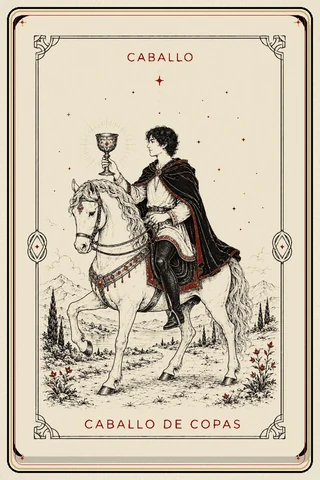 Knight of Cups
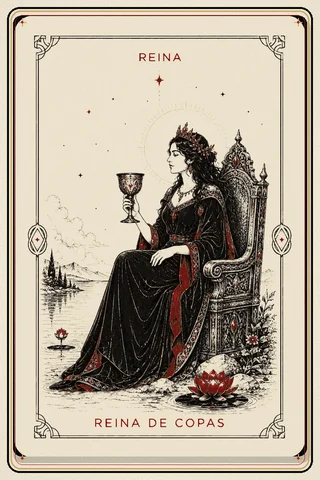 Queen of Cups
 King of Cups
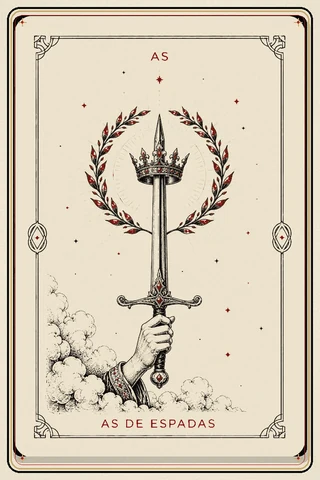 Ace of Swords
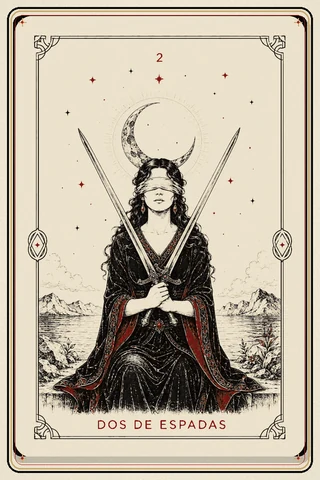 Two of Swords
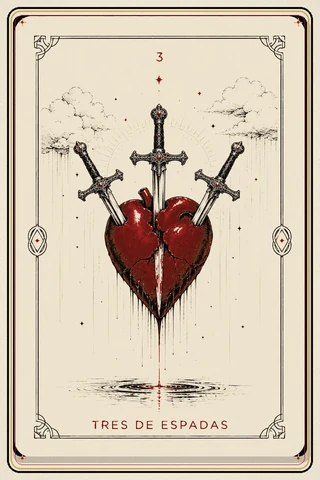 Three of Swords
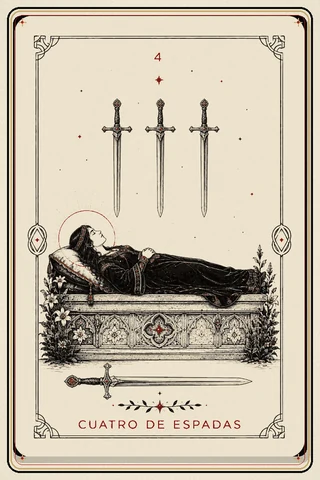 Four of Swords
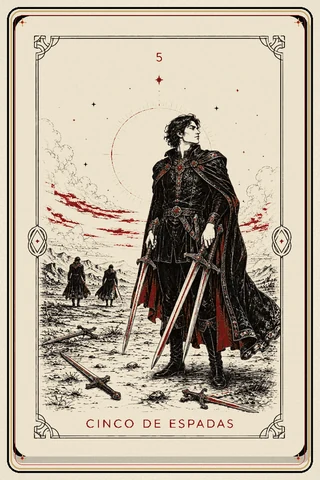 Five of Swords
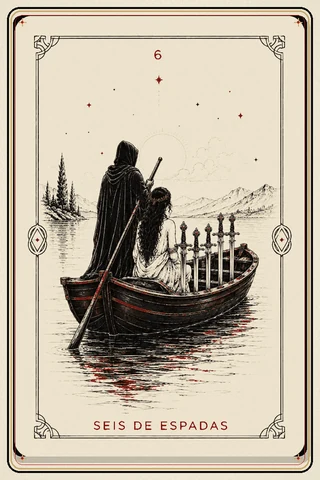 Six of Swords
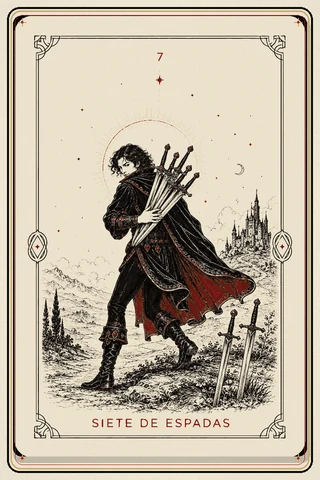 Seven of Swords
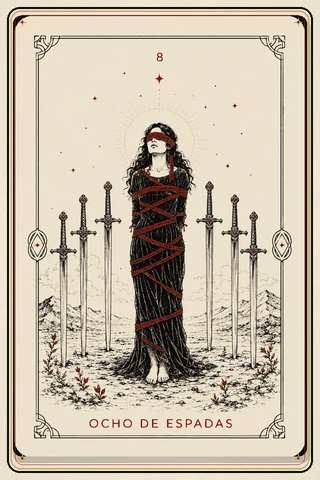 Eight of Swords
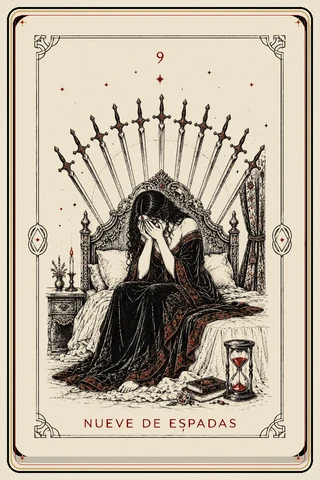 Nine of Swords
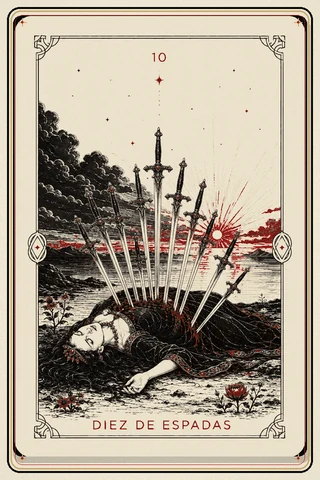 Ten of Swords
 Page of Swords
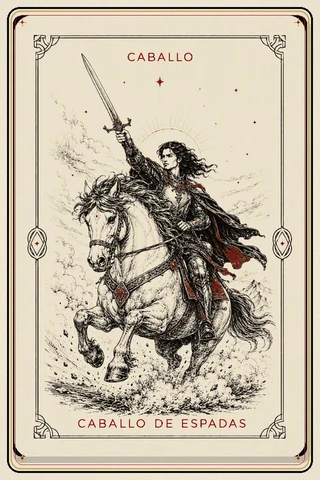 Knight of Swords
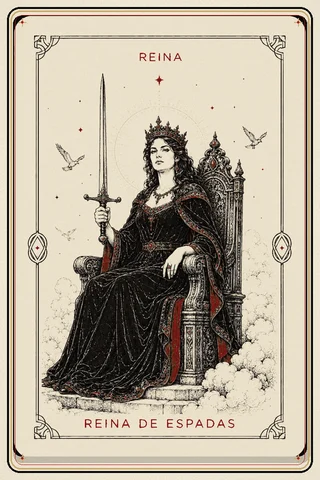 Queen of Swords
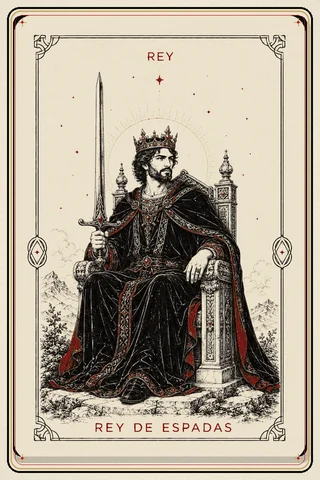 King of Swords
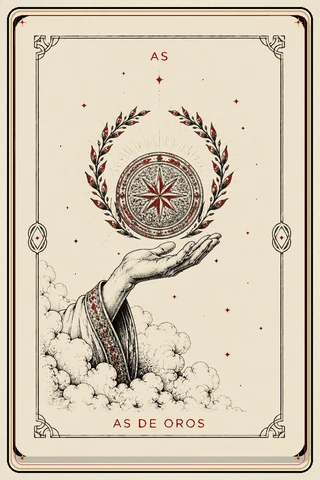 Ace of Pentacles
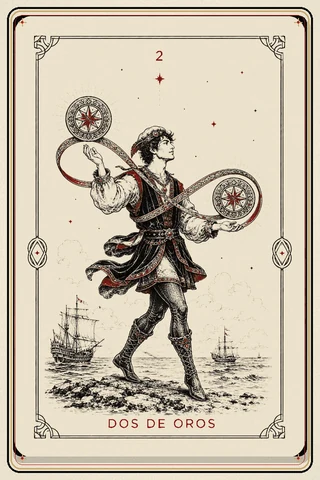 Two of Pentacles
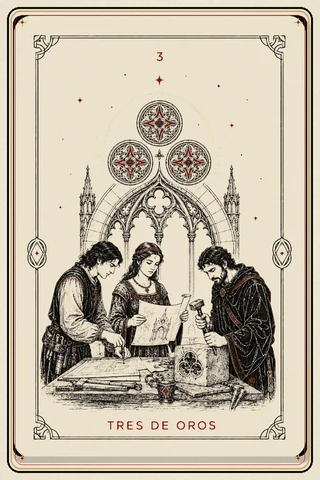 Three of Pentacles
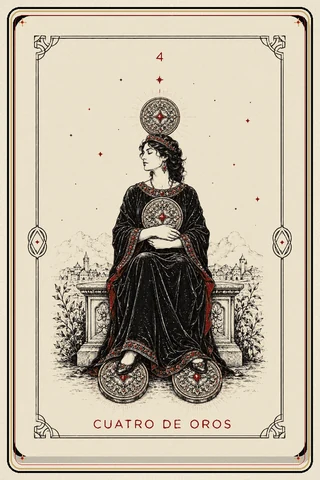 Four of Pentacles
 Five of Pentacles
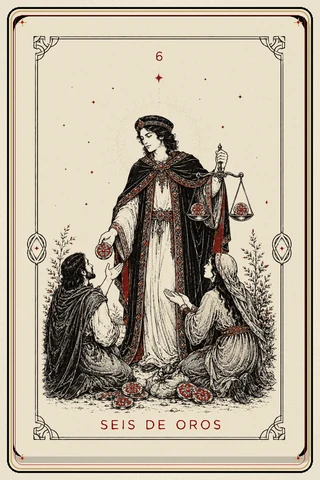 Six of Pentacles
 Seven of Pentacles
 Eight of Pentacles
 Nine of Pentacles
 Ten of Pentacles
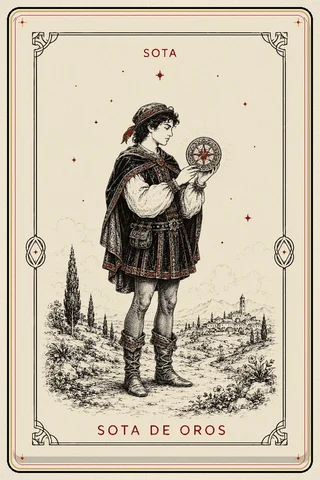 Page of Pentacles
 Knight of Pentacles
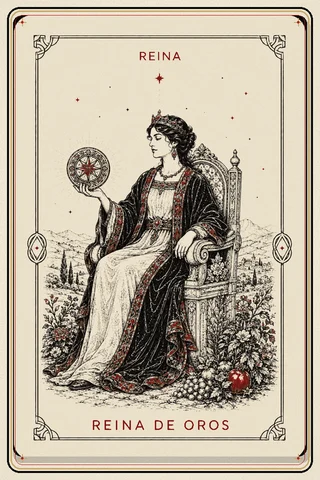 Queen of Pentacles
 King of Pentacles
Use the library to understand a card, then return it to the spread where position and context give it a job.
The library covers 22 Major Arcana and 56 Minor Arcana. Each meaning should be read with the question, card position, and surrounding cards in mind.
A card page is not a closed dictionary definition. The same card changes nuance across contexts.
The deck structure helps you spot patterns before interpreting cards one by one.
| Part | Cards | Common focus |
|---|---|---|
| Major Arcana | 22 | Broader themes, transitions, and structural lessons. |
| Wands | 14 | Action, desire, creativity, and will. |
| Cups | 14 | Emotion, relationship, and sensitivity. |
| Swords | 14 | Thought, communication, tension, and conflict. |
| Pentacles | 14 | Resources, work, body, and material security. |
Reversed does not automatically mean negative. It may point to blockage, excess, difficulty expressing the card, or a more internal experience.
The core adapts to the area and position.
Freedom, a new beginning, or lack of definition depending on the surrounding cards.
Experimentation, starting over, or risk that needs clearer limits.
Impulsive movement, avoidance, or difficulty owning consequences.
A card page describes symbolic possibilities; it does not certify future facts.
The role a card plays in the spread changes the reading.
Keywords are memory aids, not a substitute for context.
Use the card page to return to the spread.
Rank and suit combine. Use number patterns as orientation, not rigid numerology.
| Rank | Common movement |
|---|---|
| Ace | Beginning or seed. |
| 2 | Duality, choice, exchange. |
| 3 | Development and expansion. |
| 4 | Structure or rigidity. |
| 5 | Friction or loss of balance. |
| 6 | Adjustment or transition. |
| 7 | Assessment, challenge, strategy. |
| 8 | Movement, work, limit, concentration. |
| 9 | Maturation or intensity. |
| 10 | Completion, excess, cycle shift. |
Court cards can be people or modes of using the suit. Pages explore; Knights pursue; Queens integrate; Kings direct. Avoid assigning identity automatically unless the question and surrounding cards support it.
Reversal can point to blockage, excess, delay, or a more internal expression. Read it with the position before deciding what the shift actually means.
Compare direction and function.
The theme gains weight.
You may be seeing desire without structure or feeling without action.
The Major can frame the larger theme while the Minor shows its everyday expression.
Use a card page to return to the reading with more context.
78.
The 22 cards linked to major themes and transitions.
The 56 cards across the four suits.
No. Repeating the same question without new context usually adds noise and confirmation bias. Draw again when new information appears or the question genuinely changes.
No. It can indicate blockage, excess, delay, or a more internal expression. Position and surrounding cards determine the nuance.