
Question
What do I need to understand before pushing this relationship further?
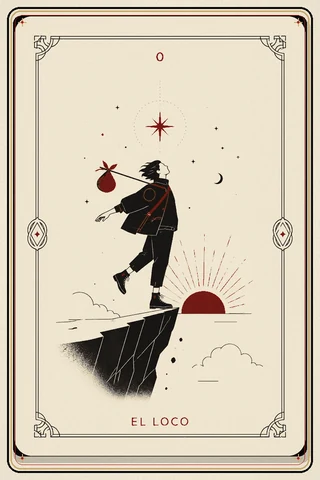
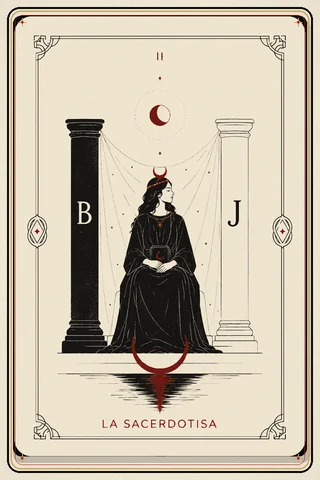
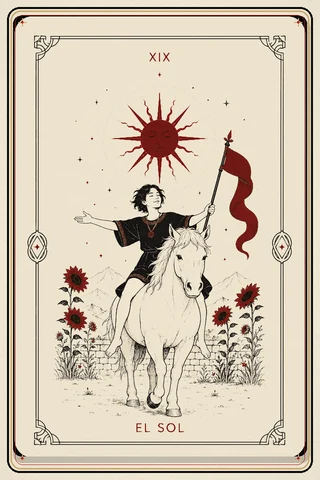
This free three card tarot uses three clear positions: situation, tension and direction. It helps you understand what is happening now, what is making the situation harder and where your attention may be most useful.
There is no perfect question. Start with what you want to understand today.
Not sure what to ask? Try one:
Typing a question is optional. On the next screen, you will shuffle and choose your cards.
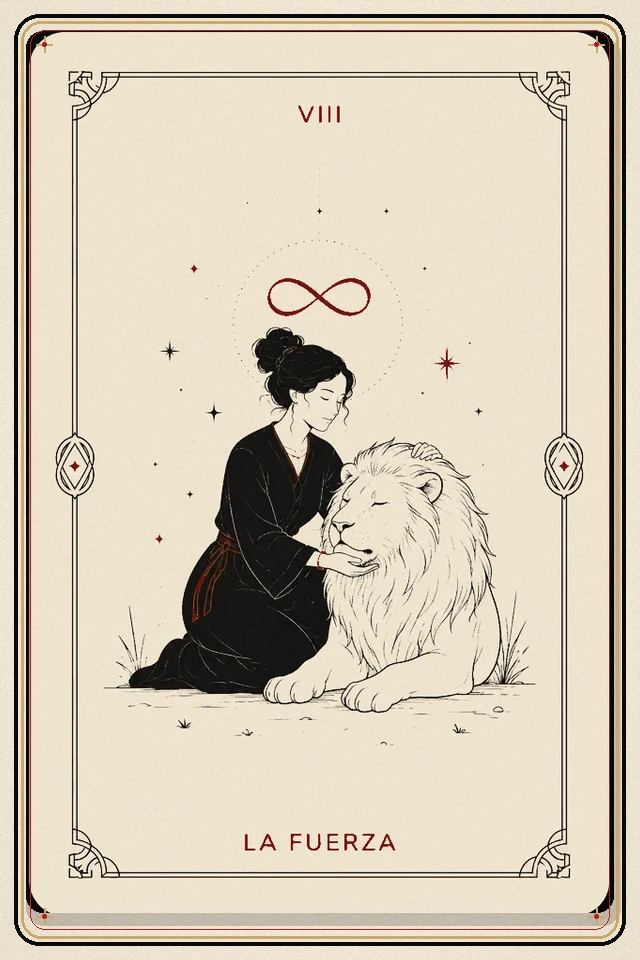
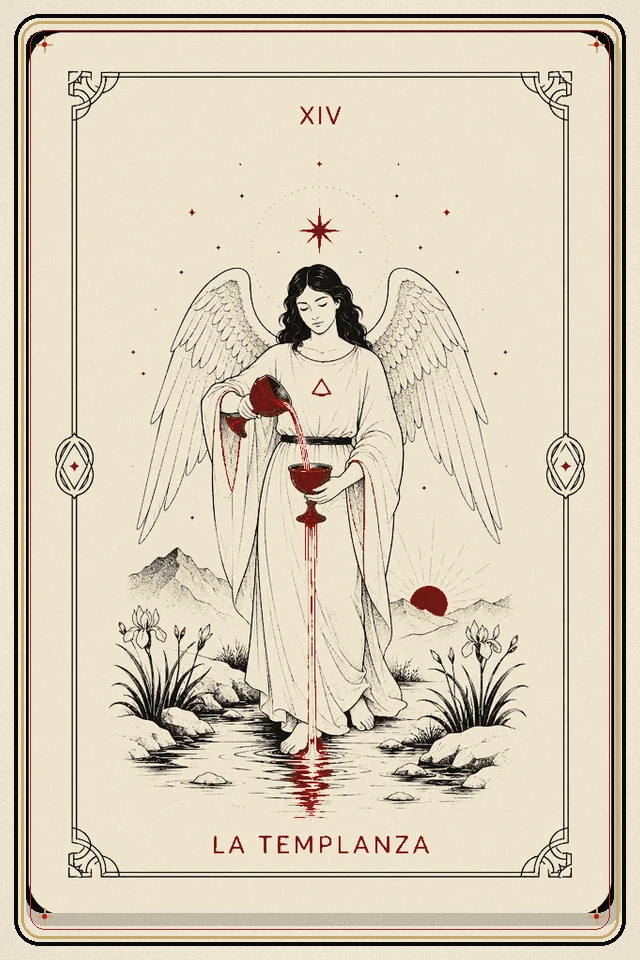
The reading is not built from one generic sentence. It combines your question, the cards you choose, each card position, orientation, and how the cards interact with one another.
This is a symbolic reading for personal reflection. It does not claim certainty about the future or another person’s private thoughts.
Three positions create enough contrast to show a dynamic without turning into a long reading.
The positions are situation, tension, and direction. The first card shows what is active; the second shows what complicates or pressures it; the third offers a direction to observe.
This is not a past-present-future spread. A timeline reading serves a different intention and has its own structure.
Position is part of the card’s meaning.
| Position | Question |
|---|---|
| Situation | What is actually active here? |
| Tension | What complicates, blocks, or demands attention? |
| Direction | What movement or tendency should I watch? |
The cards need to be read together rather than as three separate definitions.
What do I need to understand before pushing this relationship further?
May point to connection, recognition, or the need for reciprocity.
Adds fear, restriction, or a narrowed sense of options.
May suggest distance, reflection, or time before moving forward.
The third card describes a tendency, not a fixed event.
The second position keeps the reading from becoming unrealistically positive.
The relationship between cards is often where the useful information appears.
The contradiction may be the point of the reading.
Both use three cards, but the positions answer different questions. Situation-tension-direction describes a current dynamic; a temporal spread organizes influence, present conditions, and tendency over time.
Pick the temporal model only when change over time is the center of the question.
Read relationships instead of three isolated mini-readings.
| Pair | What to ask |
|---|---|
| Situation + tension | What part of reality conflicts with the block? |
| Tension + direction | What would have to shift for movement? |
| Situation + direction | What stays and what changes? |
| All three | What theme, contradiction or next step repeats? |
Repeated suits, several Majors, or cards pulling in opposite directions can reveal the structure of the question. Contrast is not an error: it may show desire without availability, feeling without action, or opportunity without support.
A spread can separate layers that a yes/no answer would collapse.
A connection is present.
Fear or inaction limits expression.
The pace remains slow.
Connection and immediate availability are not the same thing.
Use the spread that matches the job.
No. This version uses context, tension and direction.
Yes, with a clear question.
Read each card through the job of its position.
No. Repeating the same question without new context usually adds noise and confirmation bias. Draw again when new information appears or the question genuinely changes.
No. It can indicate blockage, excess, delay, or a more internal expression. Position and surrounding cards determine the nuance.